
So, you’re running a medical practice and want more local patients to find you online. That’s a smart move. Local SEO (Search Engine Optimization) for medical practices is pretty much about making sure that when someone nearby searches for the services you offer, your practice pops up. This guide will walk you through the essential steps to get your practice seen by the right people, right in your community, without needing to be a tech wizard.
Think about how people find services these days. They grab their phones, type in what they need, and look at the top results. For healthcare, this is even more critical. When someone has a health concern, they’re often looking for quick, reliable solutions close to home.
The Patient’s Search Journey
When a potential patient needs a doctor, dentist, therapist, or any other medical professional, their search typically follows a pattern. They’re not just looking for a provider, but the best provider they can easily access.
Keywords They’re Using
What are these patients typing into Google? It’s usually direct and location-specific. Think “dentist near me,” “pediatrician [your town name],” “urgent care open now,” “physical therapist for back pain [your neighborhood].” Understanding these phrases is the first step.
Standing Out in Your Community
The digital landscape is crowded. Local SEO helps you cut through the noise and connect with the people who are most likely to become your patients. It’s about relevance and proximity.
Your Local Competitors
You likely have other practices in your area offering similar services. Local SEO gives you a fighting chance to be seen above them when someone is making a decision based on location.
For medical practices looking to enhance their online presence, understanding local SEO is crucial, but it’s also important to consider how social media can complement these efforts. A related article that provides insights into this aspect is titled “Which Popular Social Media Platforms Should Doctors Use?” This resource offers valuable guidance on selecting the right social media platforms to engage with patients and promote services effectively. You can read the article here: Which Popular Social Media Platforms Should Doctors Use?.
The Foundation: Your Google Business Profile
This is arguably the most important piece of local SEO for any business, especially medical practices. Your Google Business Profile (GBP), formerly Google My Business, is your digital storefront on Google Search and Maps.
Claiming and Verifying Your Profile
First things first, you need to claim and verify your listing. This proves to Google that you are who you say you are.
Finding Your Practice on Google
Go to Google and search for your practice name. Does a profile appear on the right-hand side or in the map pack? If not, you’ll need to create one.
The Verification Process
Google usually sends a postcard with a code to your practice address. Once you receive it, you’ll enter the code to verify. This can take a week or two, so plan accordingly.
Optimizing Your Google Business Profile
Once verified, the real work begins: making your profile as informative and appealing as possible.
Accurate NAP Information
NAP stands for Name, Address, Phone Number. This information must be consistent everywhere online. Double-check it on your website, social media, and any other directories.
Choosing the Right Categories
Select the most specific and relevant categories for your practice. If you’re a family physician, use “Family Physician.” If you also offer acupuncture, add that as a secondary category if applicable.
Compelling Business Description
Write a concise and informative description that highlights your key services, specialties, and what makes your practice unique. Avoid jargon and focus on patient benefits.
High-Quality Photos and Videos
Upload professional photos of your practice, your team, and perhaps even short videos introducing your services. This visual element is crucial for making a good first impression.
Encouraging Patient Reviews
Reviews are gold for local SEO. They signal to Google that your practice is reputable and provide valuable social proof for potential patients.
Managing Your Google Business Profile
This isn’t a “set it and forget it” task. Regular management is key.
Responding to Reviews
Thank patients for positive reviews and address negative ones professionally and empathetically. This shows you value patient feedback.
Posting Updates and Offers
Use the “Posts” feature to share practice news, announce new services, or highlight special offers. This keeps your profile fresh and engaging.
Answering Questions
Patients can ask questions directly on your GBP. Be sure to monitor and answer them promptly.
Website Optimization for Local Search

Your website is still your central hub, and it needs to be optimized to tell search engines and patients where you are and what you do.
On-Page SEO Essentials
This involves making changes to your website’s content and structure.
Location-Specific Content
Include your city, town, and neighborhood names naturally throughout your website’s text. This reinforces your local presence.
Service Pages for Each Specialty
If you offer multiple services (e.g., general dentistry, orthodontics, periodontics), create dedicated pages for each. This allows you to target specific keywords.
Clear Contact Information
Your NAP details should be prominently displayed on every page, ideally in the header or footer. Make it easy for people to find you.
Mobile Responsiveness
Most local searches happen on mobile phones. Your website must function flawlessly on any device. This is non-negotiable.
Local Keywords on Your Website
Beyond just mentioning your location, strategically use local keywords in your content.
Primary and Secondary Keywords
Identify keywords people use to find your specific services in your area. For example, if you’re a chiropractor in San Diego, “chiropractor San Diego back pain” is a primary keyword. “Best chiropractor downtown San Diego” could be secondary.
Integrating Keywords Naturally
Don’t stuff keywords. Use them in your page titles, headings, and body text where they make sense. The goal is to be informative for both users and search engines.
Building Local Citations and Directory Listings
Think of citations as mentions of your practice’s NAP information across the web. Consistent citations signal to search engines that your practice is legitimate and well-established in your area.
The Importance of NAP Consistency
As mentioned before, consistency is paramount. Any discrepancy can confuse search engines and harm your rankings.
Local Directories
Beyond Google, there are many other online directories where potential patients might look.
Industry-Specific Directories
Are there directories specific to your medical specialty? For instance, Psychology Today for therapists, Zocdoc for various doctors. Make sure you are listed.
General Local Directories
Yelp, Yellow Pages, and other local business directories are still relevant. Ensure your listings are accurate and complete.
Managing Your Listings
This can feel like a lot of work, but there are tools and strategies to make it manageable to keep your information accurate across all platforms.
How Citations Help
Each accurate citation acts as a vote of confidence for your practice in the eyes of search engines. The more consistent and relevant your citations are, the stronger your local SEO signals become.
For medical practices looking to enhance their online presence, understanding the fundamentals of local SEO is essential. A great resource that complements the insights found in the Local SEO Basics for Medical Practices: A Practical Starter Guide is an article that discusses practical tips for avoiding seasonal illnesses, which can help attract more patients during flu season. You can read more about these strategies in this informative piece on how to avoid the flu this season. By integrating such content into your practice’s website, you not only provide valuable information but also improve your local search visibility.
Earning Local Backlinks and Reviews
Backlinks are links from other websites to yours. For local SEO, the focus is on obtaining relevant backlinks from local sources. Reviews are also a very strong signal.
Local Backlinks
Getting links from other local businesses or organizations can significantly boost your local search visibility.
Community Involvement
Sponsor a local event, partner with a community organization, or host a health seminar. Often, these activities result in a mention and a link from their website.
Local Media and Blogs
If your practice does something newsworthy or offers unique expertise, reach out to local news outlets or relevant local bloggers.
Guest Blogging
Offer to write an article for a local health blog or a community website, providing valuable information and earning a link back to your site.
The Power of Online Reviews
Reviews on Google, Yelp, and other platforms not only influence patient decisions but also impact local search rankings.
Encouraging Reviews
Politely ask satisfied patients to leave a review. Make it easy for them by providing a direct link or a QR code.
Responding Critically and Creatively
Acknowledge and thank patients for their feedback. For negative reviews, offer a constructive response and take the conversation offline if necessary. This demonstrates your commitment to patient satisfaction.
Variety of Review Platforms
While Google reviews are paramount, don’t neglect others like Healthgrades, Vitals, or even Facebook if it’s relevant to your practice.
For medical practices looking to enhance their online presence, understanding local SEO is crucial. A great resource that complements the insights found in the Local SEO Basics for Medical Practices: A Practical Starter Guide is an article that discusses effective strategies to increase website traffic. By implementing the techniques outlined in this article, you can attract more patients to your practice and improve your visibility in local search results. To explore these strategies further, check out this informative piece on how to get more traffic to your website here.
Measuring and Refining Your Local SEO Efforts
Local SEO isn’t a one-time task. It requires ongoing attention and adjustment.
Tracking Your Progress
You need to know what’s working and what isn’t.
Google Analytics and Google Search Console
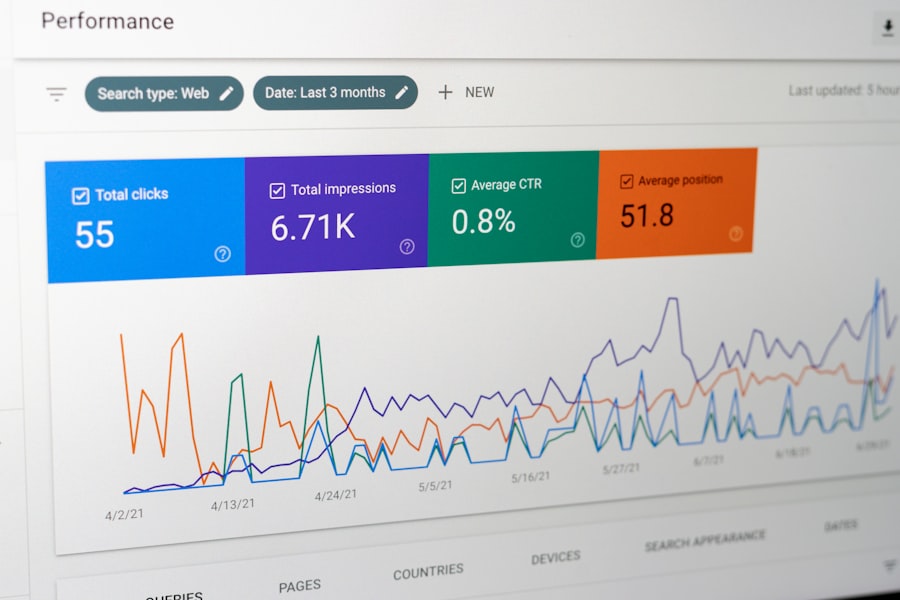
These free tools provide invaluable data on how users are finding your website, what keywords they’re using, and how they’re interacting with your site.
Google Business Profile Insights
Your GBP dashboard offers data on how many people are viewing your profile, calling your practice, or requesting directions.
Making Data-Driven Adjustments
Use the information you gather to refine your strategies.
Keyword Performance
Are certain local keywords bringing in more patients? Double down on those. Are others not performing? Re-evaluate your content.
Website Traffic Patterns
Where are your mobile visitors coming from? Are they staying on your site? Use this to improve your user experience and content.
Review Trends
Are you getting more positive reviews? What are patients frequently mentioning? Use this feedback to improve your practice and marketing.
By focusing on these practical steps, you can build a strong local online presence that attracts new patients and helps your medical practice thrive within your community.
FAQs
What is local SEO for medical practices?
Local SEO for medical practices is the process of optimizing a healthcare provider’s website and online presence to improve its visibility in local search results. This includes optimizing for location-based keywords, creating and managing local listings, and obtaining positive reviews from patients.
Why is local SEO important for medical practices?
Local SEO is important for medical practices because it helps them reach potential patients in their local area who are actively searching for healthcare services. By optimizing for local search, medical practices can increase their online visibility, attract more patients, and ultimately grow their business.
What are some key strategies for local SEO for medical practices?
Some key strategies for local SEO for medical practices include optimizing the website for local keywords, creating and managing local listings on platforms like Google My Business, obtaining positive patient reviews, and ensuring the website is mobile-friendly and loads quickly.
How can medical practices improve their local SEO rankings?
Medical practices can improve their local SEO rankings by consistently publishing high-quality, location-specific content, obtaining positive patient reviews, optimizing their website for local keywords, and ensuring their business information is accurate and consistent across all online platforms.
What are the benefits of implementing local SEO for medical practices?
The benefits of implementing local SEO for medical practices include increased online visibility, attracting more local patients, building trust and credibility, and ultimately growing the practice’s patient base and revenue.



0 Comments