
So, you want to make your procedure pages shine in search engines without making your patients feel like they need a medical degree to understand them? The short answer is to find a sweet spot between clear, accessible language for your audience and strategic keyword placement for Google. It’s totally doable, and we’ll walk through how right now.
Before you even think about what Google likes, think about who you’re actually talking to: your patients. They’re often coming to your site with questions, anxieties, and sometimes a bit of fear. They’re looking for clarity, reassurance, and actionable information, not a textbook.
Who Are They, Really?
Think about the typical person researching the procedure you’re writing about. Are they young? Elderly? Are they already familiar with medical terms, or is this their first dip into this kind of topic? Understanding their general knowledge level and their emotional state is key. For example, someone looking up “root canal” might be in a bit of pain and looking for immediate relief and reassurance, whereas someone researching “cosmetic rhinoplasty” might be looking for aesthetic details and recovery timelines.
What Are Their Burning Questions?
Put yourself in their shoes. If you were considering this procedure, what would you want to know first? What would be your most pressing concerns? Is it cost, recovery time, potential risks, or what to expect during the procedure itself? Answering these questions directly and early on builds trust and keeps them engaged. Think beyond the clinical details. What are their lifestyle concerns? Can they drive themselves home? When can they go back to work?
Common Search Intent Examples
People search for things with different intentions. Someone typing “what is a colonoscopy” is looking for general information. Someone searching “colonoscopy prep instructions” needs practical, step-by-step guidance. Someone else might type “best colonoscopy doctor near me” and is looking for a provider. Your content needs to address these various intents. It’s not just about what words they use, but why they use them.
In addition to the insights provided in “Creating SEO-Friendly Procedure Pages Without Overwhelming Patients,” you may find it beneficial to explore the article on how to increase website traffic. This resource offers valuable strategies that can complement your efforts in optimizing procedure pages for search engines while ensuring that patients receive clear and concise information. For more details, check out the article here: How to Get More Traffic to Your Website.
Crafting Patient-Friendly Content: Clarity Over Jargon
This is where you balance professionalism with approachability. You’re explaining complex medical information, but you’re not writing for your peers in a medical journal.
Simple Language, Defined Terms
Avoid overly technical terms whenever possible. If you must use a medical term, explain it immediately and simply. Think of it like this: if you can say it in plain English, do it. For example, instead of “anterior cruciate ligament reconstruction,” you might start with “ACL surgery.” Then, if you need to explain the ACL, do so clearly. Don’t assume your audience understands abbreviations or complex anatomical terms.
Use Analogies and Examples
Sometimes, comparing a complex medical process to something more familiar can unlock understanding. For instance, explaining something about blood flow by comparing it to a plumbing system can be helpful. Or describing post-operative sensations by likening them to a common experience. Be creative, but always ensure the analogy is accurate and doesn’t mislead.
Active Voice and Direct Address
“You will experience some swelling” is much more direct and engaging than “Some swelling may be experienced by the patient.” Using “you” and active verbs makes the content feel more personal and easier to follow. It puts the patient directly into the narrative, which is exactly where they are in their healthcare journey.
Break It Down: Headings, Bullet Points, and Short Paragraphs
Large blocks of text are intimidating, especially on a phone screen. Break your content into digestible chunks. Use headings (H2s and H3s, which we’ll cover more later) to structure the page. Bullet points and numbered lists are excellent for explaining steps, risks, or benefits. Short paragraphs keep the reading flow easy and prevent “eye fatigue.” Think of it as guiding them through the information, one small step at a time.
SEO Fundamentals for Procedure Pages: Getting Found

Okay, now that we’ve covered the patient, let’s talk about Google. Good SEO isn’t about tricking search engines; it’s about helping them understand what your page is about and who it’s for, so they can connect you with the right people.
Keyword Research: What Are People Actually Searching For?
This is the bedrock of SEO. Don’t guess what terms people are using. Use tools (Google Keyword Planner, Ahrefs, SEMrush, even just Google Autocomplete and “People Also Ask” boxes) to find the exact phrases your potential patients are typing into search engines. Look for:
- Primary Keywords: The main term for your procedure (e.g. “hip replacement surgery”).
- Long-Tail Keywords: More specific phrases, often questions (e.g., “what to expect during hip replacement recovery,” “cost of hip replacement in [your city]”). These often have lower search volume but higher intent.
- Related Keywords & Synonyms: Other ways people describe the procedure or related conditions (e.g., “arthroplasty,” “hip joint pain relief”).
Strategic Keyword Placement: Where They Belong
Once you have your keywords, sprinkle them naturally throughout your content. “Naturally” is the key word here. Don’t stuff them in awkwardly.
- Page Title (Meta Title): This is paramount. Include your primary keyword here, ideally near the beginning. Keep it concise (around 50-60 characters).
- Meta Description: This is the short summary that appears under your title in search results. Include your main keyword and a compelling reason for someone to click. This doesn’t directly impact ranking as much as the title, but it’s crucial for click-through rates.
- H1 Heading: Your main heading on the page should contain your primary keyword. There should only be one H1 per page.
- Subheadings (H2, H3, etc.): Use your secondary and long-tail keywords in your subheadings. This helps Google understand the structure and topics covered on your page.
- Body Content: Weave keywords naturally into your paragraphs. Use variations and synonyms.
- Image Alt Text: Describe what’s in your images using relevant keywords. This helps visually impaired users and search engines understand your image content.
- Internal and External Links: Link to other relevant pages on your site (e.g., related conditions, doctor bios) and reputable external sources (e.g., medical associations). Use descriptive anchor text for these links.
Technical SEO Basics: Don’t Forget the Engine Room
While not as glamorous as content, some technical elements are crucial:
- Mobile-Friendliness: Most people will access your site on a phone. Ensure your site loads quickly and looks good on all devices. Google prioritizes mobile-first indexing.
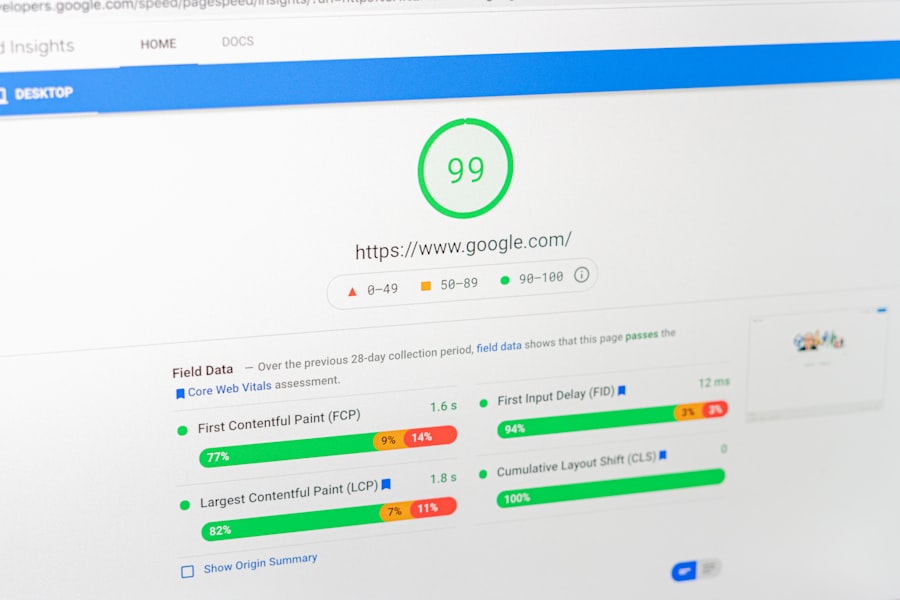
- Page Speed: Slow pages frustrate users and hurt your rankings. Optimize images, limit unnecessary scripts, and use good hosting.
- Secure (HTTPS): All sites should use HTTPS. It’s a ranking factor and builds user trust.
- Clear URL Structure: Use descriptive, keyword-rich URLs (e.g.,
yourclinic.com/procedures/hip-replacement).
Structuring for Success: Headings and Flow
This is where the magic happens – combining patient-friendly structure with SEO-friendly signals.
The Power of H1, H2, and H3 Tags
Think of these as the outline of a book.
- H1 (The Book Title): Your main topic. One per page, containing your primary keyword. Example:
Hip Replacement Surgery: What to Expect
- H2 (Chapter Titles): Main sections of your page. Introduce major sub-topics related to the H1. These are great spots for secondary keywords. Example:
In the quest to enhance patient engagement and streamline information access, creating SEO-friendly procedure pages is essential, as discussed in the article on creating effective content without overwhelming patients. For further insights into how healthcare professionals can improve their online presence, you might find it interesting to read about an optometrist's unbiased experience with Hubble contacts, which highlights the importance of clear communication in patient care. You can explore this topic further by visiting this article.orUnderstanding Your Hip Condition
Creating SEO-friendly procedure pages without overwhelming patients is essential for enhancing online visibility and improving patient engagement. For healthcare professionals looking to expand their digital presence, understanding the role of social media can also be beneficial. An insightful article on this topic discusses which popular social media platforms doctors should use to connect with their audience effectively. You can read more about it in this helpful resource. By integrating both SEO strategies and social media outreach, practitioners can create a more comprehensive approach to patient communication.The Hip Replacement Procedure
- H3 (Section Headings within Chapters): Breakdown H2s into smaller, more specific topics. Excellent for long-tail keywords and answering specific questions. Example:
What is Osteoarthritis?
Preparing for Your Hip Replacement
Recovery Timeline and Physical Therapy
Using this hierarchy helps both readers and search engines navigate your content. Readers can quickly scan for the information they need, and Google gets a clear roadmap of your page’s content.
A Typical Procedure Page Structure
Here’s a general blueprint you can adapt:
- H1: [Procedure Name]: What You Need to Know (e.g.,
Knee Arthroscopy: A Comprehensive Guide
- Introduction: Briefly explain what the procedure is, why it’s done, and who it’s for. Address common patient anxieties quickly.
- H2: What is [Procedure Name]? (e.g.,
What is Knee Arthroscopy?
- How Does It Work? (Simple explanation of the process)
- Conditions It Treats (List common issues addressed by the procedure)
- H2: Is [Procedure Name] Right For You? (e.g.,
Is Knee Arthroscopy Right For You?
- Symptoms That Indicate This Procedure (What patients might be experiencing)
- Who is a Good Candidate? (Criteria for the procedure)
- Alternatives to Consider (Briefly mention other options, showing a balanced view)
- H2: Preparing for Your [Procedure Name] (e.g.,
Preparing for Your Knee Arthroscopy
- Before Your Appointment (Things to do in the days/weeks leading up)
- What to Bring/Not Bring (Practical advice)
- Medications and Diet (Specific instructions)
- H2: What to Expect During the Procedure (e.g.,
What to Expect During the Knee Arthroscopy Procedure
- Anesthesia Options (Briefly explain choices)
- The Day of Your Procedure (Walk-through from arrival to discharge)
- How Long Does It Take? (Time expectations)
- H2: Recovery and Post-Procedure Care (e.g.,
Recovery and Post-Knee Arthroscopy Care
- Immediately After the Procedure (Pain management, initial care)
- Recovery Timeline (Week 1, Month 1, etc., with milestones)
- Physical Therapy and Rehabilitation (Importance and general outline)
- When Can You Return to Activities? (Work, exercise, driving)
- H2: Potential Risks and Complications (e.g.,
Potential Risks and Complications of Knee Arthroscopy
- Common Side Effects (Minor, temporary issues)
- Less Common Risks (More serious but rare complications)
- When to Call Your Doctor (Clear instructions for warning signs)
- H2: Frequently Asked Questions (FAQs) (e.g.,
Frequently Asked Questions About Knee Arthroscopy
- (Use H3s for each question, answering directly)
- H2: Ready to Learn More? Contact Us! (Call to action)
This structure ensures all key patient questions are addressed, and provides ample opportunities for keyword inclusion within relevant, organized sections.
Enhancing Trust and Engagement: Beyond the Text
Content is king, but presentation and supplementary materials are the queen. These elements build trust and make your content truly useful.
Visual Aids: A Picture’s Worth a Thousand Words (and Keywords)
Text alone can be overwhelming. Incorporate relevant visuals:
- Anatomical Diagrams: Simple, clear illustrations of the body part involved. LABEL them.
- Simple Infographics: Break down complex processes or statistics visually.
- Procedure-Specific Photos (if appropriate): Consider pre/post-op photos for cosmetic procedures (with consent, of course). For internal procedures, consider safe, simplified representations.
- Videos: Short, simple videos explaining a step or a concept can be a game-changer. These can also be embedded from YouTube (a Google product, bonus points!). Remember to add captions for accessibility and SEO.
Make sure all visuals are high-quality, relevant, and properly compressed so they don’t slow down your page. Always use descriptive alt text for your images.
Calls to Action: Guiding the Next Step
What do you want a patient to do after reading this page? Make it clear and easy:
- “Schedule a Consultation”
- “Call Us Today”
- “Download Our Pre-Procedure Checklist”
- “Meet Our Specialists”
Place these strategically throughout the page, especially at the end of key sections. Use clear, action-oriented language.
Internal Linking: The Patient Journey
Don’t let your patient hit a dead end. Link to other relevant pages on your site:
- Doctor Bios: Link to the profiles of the doctors who perform the procedure.
- Related Conditions: If the procedure treats a specific condition, link to that condition’s detailed page.
- Testimonials/Patient Stories: Build social proof and offer reassurance.
- Contact Page: Obvious, but important.
- Location Pages: If you have multiple locations, link to the relevant one.
Use descriptive anchor text for these links. Instead of “Click Here,” use “Learn more about Dr. Smith” or “Read patient testimonials.” This helps both users and search engines.
Schema Markup: Speaking Google’s Language
This is a bit more technical, but important for some types of content. Schema markup is a type of microdata that helps search engines understand the context of your content. For a procedure page, consider:
MedicalProcedureSchema: Describes the procedure itself.FAQPageSchema: If you have an FAQ section, this can make your questions and answers appear directly in search results as “rich snippets,” increasing visibility.
While it requires a little technical know-how (or asking your web developer), implementing relevant schema can significantly boost your visibility in search results.
By following these principles – truly understanding your patient, crafting clear and concise content, strategically using keywords, building a logical structure, and enhancing your pages with visuals and clear calls to action – you can create procedure pages that are both highly informative for your patients and highly visible to search engines. It’s about being helpful, authentic, and genuinely useful, and that’s a formula that Google tends to reward.
FAQs
What are SEO-friendly procedure pages?
SEO-friendly procedure pages are web pages that are optimized for search engines to improve their visibility and ranking in search results. These pages are designed to attract more organic traffic by using relevant keywords, high-quality content, and user-friendly design.
How can procedure pages be made SEO-friendly without overwhelming patients?
To create SEO-friendly procedure pages without overwhelming patients, it’s important to focus on providing clear and concise information. Use simple language, bullet points, and visuals to explain the procedure. Avoid using technical jargon and provide answers to common patient questions.
What are some key elements of an SEO-friendly procedure page?
Key elements of an SEO-friendly procedure page include a descriptive and keyword-rich title, meta description, relevant and high-quality content, clear headings and subheadings, optimized images, internal links to related content, and a user-friendly layout.
How can healthcare providers optimize procedure pages for search engines without sacrificing patient experience?
Healthcare providers can optimize procedure pages for search engines without sacrificing patient experience by focusing on creating valuable and informative content. This includes addressing patient concerns, providing clear instructions, and offering helpful resources. Balancing SEO best practices with patient needs is essential.
Why is it important for healthcare providers to have SEO-friendly procedure pages?
Having SEO-friendly procedure pages is important for healthcare providers because it helps them attract more potential patients who are searching for information about specific procedures. By improving their visibility in search results, healthcare providers can increase their online presence and reach a wider audience.



0 Comments