
You’re looking to boost your medical practice’s online visibility, and on-page SEO for your service pages is a fantastic place to start. In a nutshell, on-page SEO is all about optimizing the content and HTML source code of a specific page to rank higher in search engines for relevant keywords. For medical websites, this means making sure each service page (think “Orthopedic Surgery,” “Pediatric Dermatology,” “Physical Therapy,” etc.) clearly tells search engines and potential patients exactly what that service entails, where it’s offered, and who it’s for.
Let’s dive into a practical checklist to get your medical service pages humming on Google.
Before you even think about fancy keywords, you need to lay a solid groundwork. These are the non-negotiables for any successful service page.
Clear and Concise URL Structure
Your URL should be easy to read and understand, both for humans and search engines.
- Keep it short and descriptive: A URL like
yourclinic.com/services/orthopedic-surgeryis far better thanyourclinic.com/pageID=123&service_type=ortho. - Use keywords: Incorporate your primary service keyword naturally within the URL.
- Avoid special characters: Stick to hyphens for separating words.
Optimized Title Tags
This is often the first thing people see in search results, so make it count.
- Include your primary keyword: Start your title tag with the service name. For example, “Orthopedic Surgery | [Your Clinic Name] | [City, State]”.
- Keep it within character limits: Aim for around 50-60 characters to avoid truncation in search results.
- Be descriptive and enticing: Briefly explain what the page offers.
- Add brand name at the end: This helps with brand recognition.
Compelling Meta Descriptions
While not a direct ranking factor, a good meta description encourages clicks, which indirectly helps your rankings.
- Summarize the service: Clearly explain what the service is and its benefits.
- Include keywords naturally: Don’t stuff them, but make sure they’re present.
- Add a call to action (CTA): Phrases like “Learn more,” “Schedule an appointment,” or “Contact us today” can be effective.
- Stay within limits: Aim for 150-160 characters.
For those looking to enhance their understanding of driving traffic to medical websites, the article on “How to Get More Traffic to Your Website” provides valuable insights and strategies that complement the checklist for On-Page SEO for Medical Websites. By integrating effective traffic generation techniques with the on-page optimization strategies outlined in the checklist, medical professionals can significantly improve their online presence and attract more patients. To explore these strategies further, you can read the article here: How to Get More Traffic to Your Website.
Content is King: What to Write and How to Write It
This is where you truly connect with your audience and tell search engines what your page is about. High-quality, informative content is paramount.
In-Depth Service Descriptions
Don’t skimp on details. Your service page should be a comprehensive resource.
- What is the service? Explain it in layman’s terms, avoiding overly technical jargon where possible. If technical terms are necessary, explain them clearly.
- Who is it for? Specify the patient demographic. Is it for adults, children, athletes, seniors?
- What conditions does it treat? List the common ailments or issues addressed by the service.
- What can patients expect? Outline the process, from initial consultation to recovery.
- What are the benefits? Focus on patient-centric outcomes like pain relief, improved mobility, better quality of life.
- Why choose your clinic? Briefly highlight your unique selling points – experienced specialists, advanced technology, compassionate care.
Strategic Keyword Integration
Keywords are how search engines understand what your page is about, but use them wisely.
- Primary keyword: Use your main service keyword (e.g., “orthopedic surgery”) in the first paragraph, a heading, and naturally throughout the content.
- Secondary keywords/LSI keywords: These are related terms and synonyms (e.g., “bone specialist,” “joint replacement,” “sports medicine”). Integrate them naturally to provide context and cover a broader range of searches.
- Local keywords: If your practice serves a specific geographical area, incorporate city and state names (e.g., “orthopedic surgery in [City, State]”).
- Avoid keyword stuffing: Overusing keywords can hurt your rankings and make your content unreadable. Focus on natural language.
Heading Structure (H1, H2, H3, etc.)
A clear heading structure improves readability and helps search engines understand your content hierarchy.
- One H1 per page: This should be your primary service name, usually mirroring your title tag.
- H2 for main sections: Break down your service description into logical parts using H2s (e.g., “Conditions We Treat,” “Our Approach to Treatment,” “What to Expect”).
- H3 for sub-sections: Further organize your content within H2 sections. For example, under “Conditions We Treat,” you might have H3s for “Arthritis,” “Fractures,” “Tendon Injuries.”
- Use keywords in headings: Integrate keywords naturally into your headings to provide more context.
Multimedia and Visuals: Enhancing Engagement
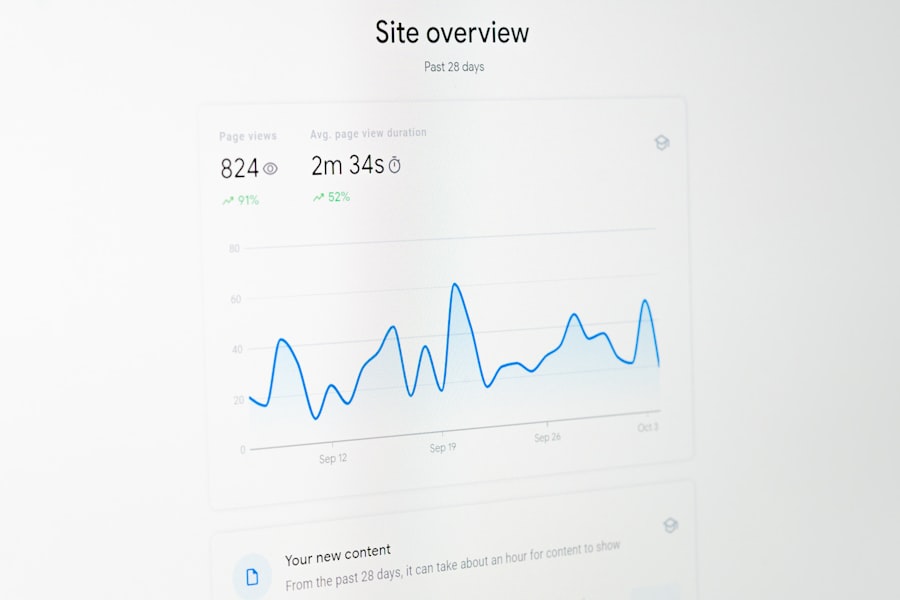
Text alone can be dry. Incorporate visuals to make your pages more engaging and informative.
Relevant Images and Videos
Visuals break up text and can explain complex medical procedures more easily.
- High-quality images: Use professional photos of your clinic, staff, or relevant medical equipment (ensure HIPAA compliance for patient photos).
- Informative diagrams/illustrations: Explain anatomy or procedures visually.
- Patient testimonials (with consent): Short video clips of satisfied patients can be very powerful.
- Explainer videos: A short video describing the service or what to expect can significantly increase engagement.
- Optimize image file names: Use descriptive file names with keywords (e.g.,
orthopedic-surgery-clinic-nyc.jpg). - Add alt text: This describes the image for visually impaired users and search engines. Include keywords naturally (e.g.,
alt="Dr. Smith performing orthopedic surgery").
Infographics for Complex Information
Medical information can sometimes be dense. Infographics offer a visually appealing way to present data or processes.
- Summarize key statistics: For example, success rates for a particular treatment.
- Illustrate a procedure flow: Step-by-step visuals of what a patient will experience.
- Explain risks and benefits: Presenting this information clearly and concisely.
Technical SEO Considerations: Under the Hood Optimization

While not always visible, these elements are crucial for search engine discoverability and user experience.
Internal Linking Strategy
Guide users and search engines through your website.
- Link to related services: If a patient is looking at “Orthopedic Surgery,” they might also be interested in “Physical Therapy” or “Pain Management.”
- Link to relevant blog posts: If you have an article on “Recovering from Knee Surgery,” link to it from your knee surgery service page.
- Link to doctor bios: Connect the service to the specific doctors who provide it.
- Link to contact/appointment pages: Make it easy for patients to take the next step.
- Use descriptive anchor text: Instead of “click here,” use anchor text like “learn about our knee replacement services.”
External Linking (Judiciously)
Linking out to authoritative external sources can add credibility.
- Reference medical organizations: Link to reputable sources like the Mayo Clinic, NIH, or CDC when discussing conditions or treatments.
- Support claims with research: If you mention statistics or research, link to the original study.
- Open external links in a new tab: Keep users on your site while they explore additional resources.
Mobile-Friendliness (Responsive Design)
Most people browse on their phones. Your site must look good and function well on mobile.
- Test your pages: Use Google’s Mobile-Friendly Test tool.
- Ensure fast loading times: Mobile users are impatient. Optimize images and code.
- Easy navigation: Make menus and buttons finger-friendly.
- Readable font sizes: No tiny text that requires zooming.
Page Speed Optimization
Slow pages frustrate users and negatively impact rankings.
- Compress images: Use tools to reduce file size without sacrificing quality.
- Minify CSS and JavaScript: Remove unnecessary characters from code.
- Leverage browser caching: Store parts of your website on a user’s computer to speed up subsequent visits.
- Use a fast hosting provider: Invest in reliable hosting.
- Consider a Content Delivery Network (CDN): Speeds up content delivery by serving it from servers closer to the user.
Structured Data Markup (Schema.org)
This helps search engines understand the context of your content and can lead to rich snippets in search results.
- Service Schema: Mark up your service pages with
Serviceschema to explicitly tell Google what service you offer. - Organization Schema: For your clinic’s overall information.
- Review/Rating Schema: If you display patient reviews on your service page, mark them up.
- FAQPage Schema: If you have a frequently asked questions section.
- Physician Schema: If you feature specific doctors on the service page, linking to their profiles.
When optimizing your medical website, it’s essential to consider not just on-page SEO but also the broader strategies that can contribute to your online success. For instance, understanding the fundamental rules of running a successful business can greatly enhance your approach to digital marketing. You can explore these principles in detail in this insightful article on business success. By integrating these strategies with your on-page SEO efforts, you can create a more effective online presence for your medical services. For more information, check out this article on 25 rules to be successful in your business.
User Experience and Call to Action: Guiding Your Patients
Beyond the technical aspects, how easily can a patient navigate and interact with your page?
Clear Call to Actions (CTAs)
Every service page should have a clear next step for the patient.
- “Schedule an Appointment”: This is often the primary goal.
- “Contact Us Today”: For general inquiries.
- “Request a Consultation”: For more complex services.
- “Learn More About Our Doctors”: If you have specific specialists.
- Prominent placement: Make CTAs easy to find, above the fold and at the end of the content.
- Visually distinct: Use buttons that stand out.
Easy-to-Find Contact Information
Don’t make patients hunt for your phone number or address.
- Header and Footer: Include your phone number and a link to your contact page.
- Sidebar: Consider adding contact info in a sticky sidebar.
- Within the content: Naturally mention how to contact your office.
Patient Testimonials and Reviews
Social proof is incredibly powerful in healthcare.
- Display relevant testimonials: Feature reviews specifically related to the service being described.
- Use real patient names (with consent): Adds authenticity.
- Consider integrating review platforms: Show snippets from Google Reviews or Healthgrades.
FAQ Section
Address common patient questions directly on the page.
- Anticipate questions: Think about what potential patients might ask about the service.
- Provide clear, concise answers: Make it easy to digest.
- Use accordion-style formatting: Keeps the page tidy until a question is expanded.
- Include keywords in questions and answers: This helps with voice search queries.
Monitoring and Maintenance: Keeping It Fresh
SEO isn’t a “set it and forget it” task. Regular monitoring and updates are essential.
Regularly Update Content
Medical information evolves, and so should your service pages.
- Review for accuracy: Ensure all medical information is up-to-date.
- Add new developments: If there are new treatment options or technologies, incorporate them.
- Expand existing sections: If you notice patients asking certain questions, add more detail to the relevant sections.
- Refresh statistics: Update any data or success rates regularly.
Track Performance with Analytics
Understanding how your pages are performing is crucial for making informed decisions.
- Google Analytics: Monitor traffic, bounce rate, time on page, and conversion rates for each service page.
- Google Search Console: See which keywords your pages are ranking for, identify indexing issues, and check for manual penalties.
- Look for opportunities: Identify pages with high traffic but low conversions – maybe the CTA isn’t clear enough.
- Address underperforming pages: If a page isn’t ranking well, reassess your keywords, content, and technical elements.
By systematically working through this checklist for each of your medical service pages, you’ll be building a robust foundation for attracting more patients through organic search. It’s an ongoing process, but the payoff in increased visibility and patient engagement is well worth the effort.
FAQs
What is On-Page SEO for Medical Websites?
On-Page SEO for medical websites refers to the process of optimizing individual web pages to rank higher and earn more relevant traffic in search engines. This involves optimizing content, HTML source code, and other on-page elements to make the page more attractive to search engines.
Why is On-Page SEO important for Medical Websites?
On-Page SEO is important for medical websites because it helps improve the website’s visibility in search engine results, making it easier for potential patients to find the medical services they need. By optimizing individual service pages, medical websites can attract more relevant traffic and improve their online presence.
What are the key elements of On-Page SEO for Medical Websites?
Key elements of On-Page SEO for medical websites include optimizing page titles, meta descriptions, headings, content, images, URLs, and internal linking. It also involves ensuring mobile-friendliness, page speed, and user experience are optimized for better search engine rankings.
How can On-Page SEO be implemented for each service page on a medical website?
To implement On-Page SEO for each service page on a medical website, it is important to conduct keyword research, optimize page titles and meta descriptions, create high-quality and relevant content, optimize images with alt tags, and ensure proper internal linking. Additionally, ensuring mobile responsiveness and fast page load times are crucial for better user experience and search engine rankings.
What are the benefits of implementing On-Page SEO for Medical Websites?
Implementing On-Page SEO for medical websites can lead to increased visibility in search engine results, higher rankings for relevant keywords, improved user experience, and ultimately, more traffic and potential patients for the medical practice. It also helps in establishing the website as a credible and authoritative source in the medical field.



0 Comments