
The retina, a delicate tissue lining the back of your eye, is akin to the film in a camera. It captures light and converts it into signals that your brain interprets as vision. When this crucial layer is compromised by a tear or detachment, it can lead to severe vision loss if not addressed promptly. Recognizing the early warning signs is paramount to preserving your sight. This article will explore the nature of retinal tears and detachments, their contributing factors, and the vital symptoms that should prompt immediate medical attention.
Your eye is a complex organ, and the retina is its visual processing center. Understanding its structure helps appreciate the impact of tears and detachments.
The Retina’s Essential Role
The retina is composed of specialized cells called photoreceptors – rods and cones. Rods are responsible for vision in low light conditions, while cones enable you to see color and fine detail in brighter light. These photoreceptors, along with other nerve cells, form a complex network that transmits visual information through the optic nerve to the brain.
Layers of Vulnerability
The retina itself is not a single, monolithic layer. It consists of multiple layers, each with specific functions. A tear or detachment typically involves the separation of the neurosensory retina from the underlying retinal pigment epithelium (RPE). The RPE acts like a vital support system, nourishing and cleaning the photoreceptors. When this connection is broken, the photoreceptors are deprived of sustenance and begin to malfunction, leading to vision loss.
The Vitreous Humor: A Gelatinous Companion
Within the eyeball, a clear, gel-like substance called the vitreous humor fills the space between the lens and the retina. This gel plays a role in maintaining the eye’s shape and holds the retina in place, much like the glue holding a sticker to a surface. As people age, the vitreous humor can undergo changes, becoming more liquid and contracting. These age-related changes are a common precursor to retinal tears.
Causes and Risk Factors for Retinal Tears and Detachments
While anyone can experience a retinal tear or detachment, certain factors increase an individual’s susceptibility. Understanding these can aid in proactive eye care.
Age-Related Vitreous Changes
The primary cause of posterior vitreous detachment (PVD) is the natural aging process. The vitreous gel, which is firm in youth, liquefies and shrinks over time. As it contracts, it can pull away from the retina. While PVD itself is often benign and may not cause vision loss, the traction it exerts on the retina can sometimes create a tear. This is a bit like an old, dried-out rubber band eventually snapping.
Myopia: A Higher Risk
Individuals with high myopia (nearsightedness) are at an increased risk for retinal tears and detachments. The elongated eyeball in myopic eyes often leads to a thinner, more stretched retina, making it more prone to tearing. The retina in highly myopic eyes is similar to a stressed piece of fabric, more likely to rip when pulled.
Previous Eye Surgery or Trauma
Any history of eye surgery, particularly cataract surgery, can alter the eye’s internal environment and potentially increase the risk of retinal issues. Significant eye trauma, such as a direct blow to the eye, can also cause the retina to tear or detach. This is like a sudden jolt to a delicate structure.
Family History and Genetics
A family history of retinal detachment suggests a potential genetic predisposition. While not solely determined by genetics, having close relatives who have experienced retinal detachments may warrant closer monitoring.
Retinal Degenerative Conditions
Certain degenerative conditions affecting the retina, such as lattice degeneration, can weaken the retinal tissue and make it more susceptible to tears. This is analogous to having a patched-up wall; the patches, while strengthening, can still be points of weakness.
Early Warning Signs: Recognizing a Retinal Tear

Retinal tears are often the precursors to retinal detachments. Identifying a tear early is crucial for preventing further complications.
The Sudden Appearance of Floaters
One of the most common and significant warning signs of a retinal tear is a sudden increase in the number or size of floaters. Floaters are small specks, dots, or lines that drift across your field of vision. While many people experience occasional floaters, a sudden shower of them, appearing like tiny flies or cobwebs, warrants immediate attention. These new floaters can be caused by pigment or blood released into the vitreous fluid as the retina tears.
Flashes of Light (Photopsia)
Another prominent indicator of a retinal tear is the sudden onset of flashes of light, especially in your peripheral vision. This phenomenon, known as photopsia, can resemble lightning streaks or camera flashes. These flashes occur when the vitreous gel pulls or tugs on the retina, stimulating the photoreceptor cells. It’s like a gentle electrical zap to the light-sensing cells.
A Shadow or Curtain in Your Peripheral Vision
While not always present with a tear, a developing shadow or curtain-like obscuration in your peripheral vision can indicate that the tear is starting to affect a larger area of the retina. This is an early sign that the detachment process might be beginning.
Sudden Blurriness of Vision
A sudden onset of blurred vision, which doesn’t improve with blinking or focusing, can be a sign that the tear is affecting the central part of your vision or that a detachment is occurring. This is where the camera’s film starts to get smudged.
The Progression to Retinal Detachment
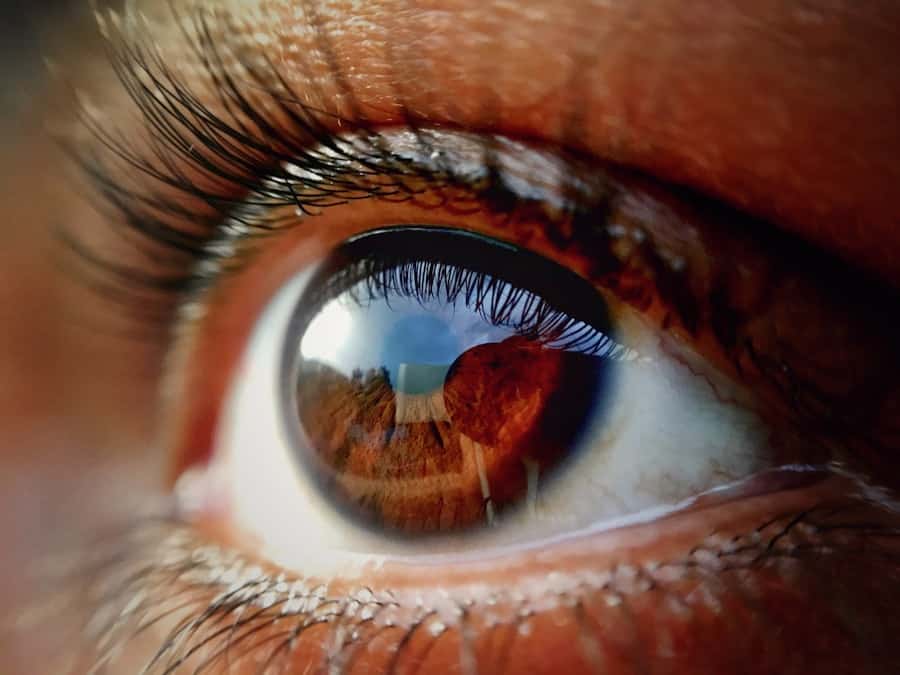
When a retinal tear is left untreated, fluid from the vitreous cavity can seep through the tear and accumulate between the neurosensory retina and the RPE, leading to a retinal detachment.
How a Tear Leads to Detachment
Imagine a small nick in a wallpaper. If water seeps behind the wallpaper through that nick, it can cause the wallpaper to peel away from the wall. Similarly, fluid can enter the space behind the retina through a tear, separating it from its supportive layer. This separation is a retinal detachment.
The Domino Effect
Once the separation begins, it can progress rapidly, like a domino toppling over. The detached retina is deprived of its blood supply and oxygen, leading to its deterioration and potential permanent vision loss.
Understanding Different Types of Detachment
Retinal detachments are broadly categorized into three main types:
Rhegmatogenous Retinal Detachment
This is the most common type and occurs when there is a full-thickness tear in the retina, allowing fluid to pass through and separate the retina. This is the “peeling wallpaper” scenario described earlier.
Tractional Retinal Detachment
This type of detachment is caused by scar tissue or abnormal blood vessels that contract and pull the retina away from its underlying layer. This can often be seen in conditions like proliferative diabetic retinopathy. It’s like a strong thread pulling a delicate sheet.
Exudative Retinal Detachment
This occurs when fluid accumulates beneath the retina without a tear. This can be caused by inflammation, tumors, or blood diseases that leak fluid into the subretinal space.
In addition to understanding retinal tears and detachments, it’s essential to be aware of the importance of follow-up appointments after any eye-related issues. For further insights on this topic, you can explore the article that discusses the significance of these visits and how they can help in early detection and prevention of serious conditions. This information can be invaluable for maintaining your eye health, so be sure to check out the article here.
When to Seek Immediate Medical Attention
| Metric | Description | Typical Values/Signs | Importance |
|---|---|---|---|
| Flashes of Light | Sudden brief flashes in peripheral vision | Frequent or persistent flashes | Early indicator of retinal tear or detachment |
| Floaters | Small spots or cobweb-like shapes drifting in vision | Sudden increase in number or size | May signal vitreous pulling on retina causing tear |
| Shadow or Curtain Effect | Dark shadow or curtain moving across vision | Progressive shadow in peripheral or central vision | Sign of retinal detachment requiring urgent care |
| Blurred Vision | Loss of sharpness or clarity in vision | Sudden onset or worsening | May indicate retinal damage or detachment |
| Visual Field Loss | Partial loss of side vision | Noticed as missing areas in vision | Can be caused by retinal detachment |
| Time to Treatment | Duration from symptom onset to medical intervention | Within 24-48 hours recommended | Critical for preserving vision and preventing permanent loss |
The symptoms of retinal tears and detachments are not to be taken lightly. Prompt medical evaluation is crucial.
The Urgency of Symptoms
If you experience any of the warning signs mentioned – a sudden increase in floaters, flashes of light, or a new shadow in your vision – do not delay. These are not symptoms to “wait and see.” You should contact an ophthalmologist or visit an emergency eye care facility immediately. Think of it as a fire alarm for your eye; it requires immediate response.
Differentiating from Other Eye Conditions
While some symptoms might overlap with less serious eye conditions, the sudden onset and combination of these signs are strong indicators of a potential retinal problem. It is imperative to have a professional diagnose the cause.
The Consequences of Delay
Delaying treatment for a retinal tear or detachment can significantly reduce the chances of successful vision restoration. The longer the retina remains detached, the more likely it is to suffer permanent damage. This is like trying to repair a delicate fabric after it has been severely ripped and frayed.
Diagnosis and Treatment of Retinal Tears and Detachments
Ophthalmologists have specialized tools and techniques to diagnose and treat retinal tears and detachments.
Diagnostic Tools
An ophthalmologist will typically perform a thorough eye examination, including:
Dilated Fundus Examination
Your pupils will be dilated with eye drops to allow for a wider view of the retina. The doctor will then use a special instrument (an ophthalmoscope) to examine the retina’s surface. This is like getting a panoramic view of the screen.
Optical Coherence Tomography (OCT)
OCT is a non-invasive imaging test that provides cross-sectional images of the retina, allowing doctors to detect subtle changes and the extent of detachment. It’s like getting an X-ray of the retinal layers.
Ultrasound
In cases where the view of the retina is obscured (e.g., by bleeding), an ocular ultrasound may be used to visualize the retina.
Treatment Approaches
Treatment depends on the type and severity of the tear or detachment:
Laser Photocoagulation
For simple retinal tears, a laser can be used to seal the tear by creating tiny burns around its edges. This is like welding the edges of the tear to prevent fluid from seeping through.
Cryopexy
Similar to laser photocoagulation, cryopexy uses extreme cold to freeze and seal a retinal tear. It’s another method of creating a strong bond.
Pneumatic Retinopexy
This procedure involves injecting a gas bubble into the eye to push the detached retina back into its normal position. The gas bubble acts like a temporary support.
Vitrectomy Surgery
In more complex or extensive detachments, surgery called vitrectomy is performed. This involves removing the vitreous humor and then surgically reattaching the retina using lasers, cryopexy, or by placing a gas bubble or silicone oil to support the retina. This is a more involved repair, like rebuilding a damaged section of your screen.
Post-Treatment Care and Prognosis
Recovery from retinal surgery can take time, and adherence to post-operative instructions is vital. This often includes keeping your head in specific positions to aid in retinal reattachment. The success of treatment and the degree of vision recovery depend on the extent of the detachment and how quickly it was treated. Early intervention offers the best chance for preserving vision.
FAQs
What is a retinal tear and how does it differ from a retinal detachment?
A retinal tear is a small break or rip in the retina, the light-sensitive tissue at the back of the eye. A retinal detachment occurs when the retina separates from the underlying supportive tissue. While a tear can lead to detachment, detachment is a more serious condition that can cause vision loss if not treated promptly.
What are the early warning signs of retinal tears or detachments?
Common early warning signs include sudden flashes of light, an increase in floaters (small spots or cobweb-like shapes drifting in your vision), a shadow or curtain effect over part of your visual field, and sudden blurry or reduced vision. These symptoms require immediate medical attention.
Who is at higher risk for developing retinal tears or detachments?
Risk factors include being over 50 years old, having a history of severe nearsightedness (myopia), previous eye injuries or surgeries, a family history of retinal detachment, and certain medical conditions like diabetes.
How are retinal tears and detachments diagnosed?
An eye care professional diagnoses these conditions through a comprehensive eye exam, which may include dilating the pupils to examine the retina closely using specialized instruments like an ophthalmoscope or slit lamp.
What treatment options are available for retinal tears and detachments?
Retinal tears are often treated with laser therapy or cryotherapy to seal the tear and prevent detachment. Retinal detachment usually requires surgical intervention, such as pneumatic retinopexy, scleral buckle, or vitrectomy, to reattach the retina and restore vision. Early treatment is crucial for the best outcomes.

0 Comments